

The Clinical Importance of Functional Testing
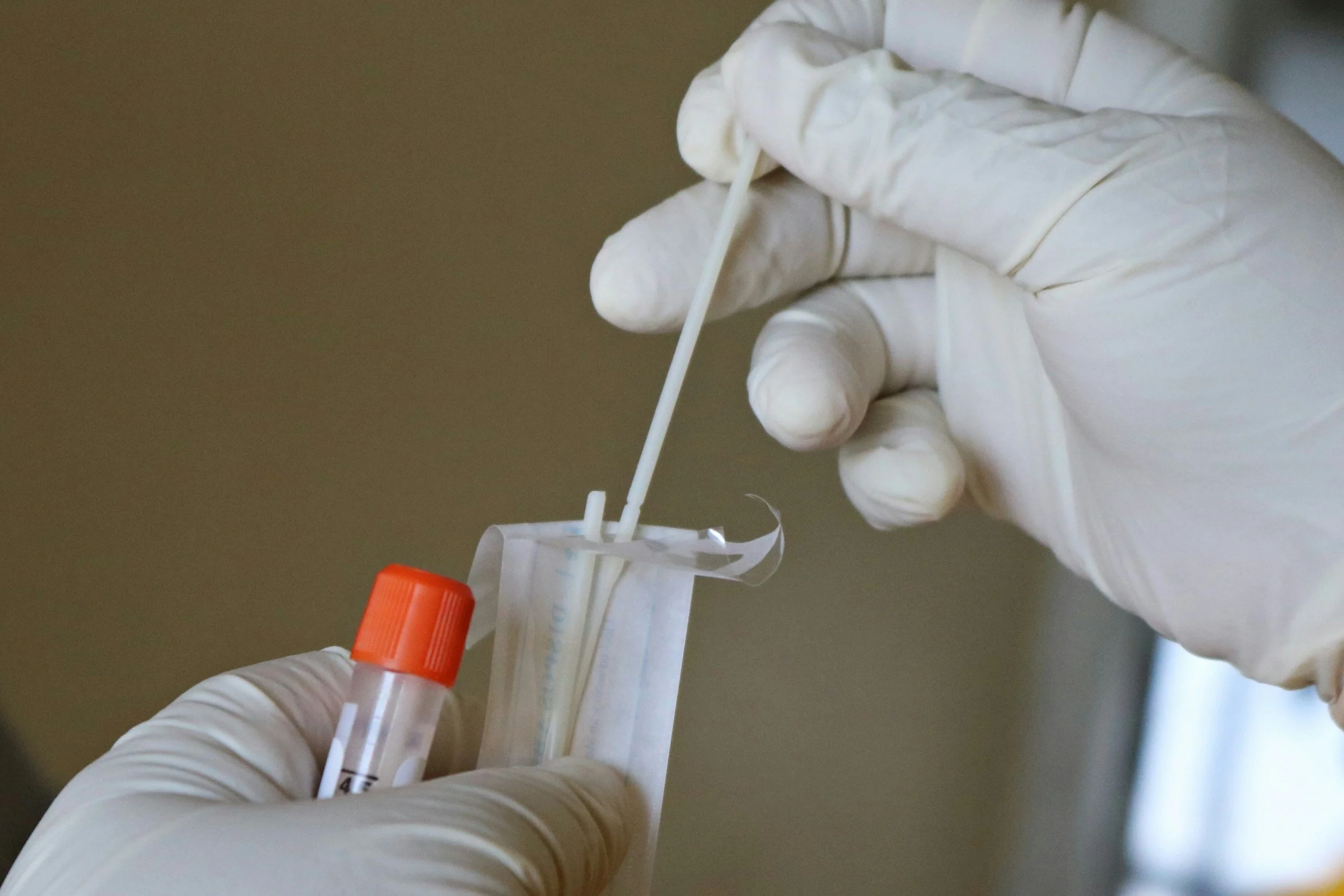
Nourish Me Nutrition regularly uses functional testing for clients, alongside standard pathology testing (usually ordered by your GP). Functional testing enables us to obtain a broader assessment of your health status and is sometimes necessary to determine certain health states. Some of the more common tests are detailed below:
DUTCH Test
The DUTCH test is an at-home, dried-urine test and provides the most extensive profile of sex and adrenal steroid hormones, along with their metabolites and includes free cortisol and melatonin. It can be used to:
Provide an in-depth view of sex hormones (estrogen, progesterone, testosterone) and their metabolites, not just current levels. This can assist in identifying issues related to fertility, menstrual irregularities, perimenopause, and conditions such as PCOS.
Measure cortisol and cortisone throughout the day and help identify HPA axis dysfunction, chronic stress and adrenal fatigue.
Evaluate how the body processes (methylates) estrogens, identifying metabolite imbalances associated with breast cancer risk and estrogen imbalances.
Understand symptoms that traditional blood tests don't explain, such as persistent weight gain, hair loss, mood swings, and low libido.
Monitor most hormone replacement therapies such as oral progesterone and vaginal hormones.
Comprehensive Stool Analysis (CSA)
The CSA test is a stool assessment for gut microbiota and overall digestive function. The test helps understand the causes of gastrointestinal symptoms and chronic systemic conditions and measures key markers of digestion, absorption and inflammation to give a comprehensive report on the health of your digestive system.
Cortisol and DHEA
A saliva-based, at-home assessment that measures cortisol and DHEA levels. This test is primarily used to evaluate HPA axis function, diagnose chronic stress, burnout, fatigue, and burnout-related disorders by analysing how well the body manages stressors. DHEA is also tested due to its important roles in counteracting elevated cortisol levels and in the biosynthesis of androgens and estrogens.
Organic Acids Test (OAT)
The OAT is a urine test that is a comprehensive assessment of 76 markers, providing a metabolic snapshot of your cellular function, nutritional status and gut health. The OAT includes markers for vitamin and mineral levels, oxidative stress, neurotransmitter levels and oxalates. It identifies imbalances in energy production, detoxification, neurotransmitter levels, and microbial overgrowth (yeast/bacteria), assisting in managing chronic illness, fatigue, and mood issues.
Complete Thyroid Profile
The Complete Thyroid Panel test is a blood test that assesses markers of thyroid function for a comprehensive overview of thyroid function. Unlike standard testing, which usually includes TSH (thyroid stimulating hormone) and sometimes T4 or T3, the Complete Thyroid Panel test includes TSH, total and free T4 & T3, reverse T3, and autoantibodies TPO and TG. This allows for a comprehensive understanding of thyroid function at every level and the interaction between the thyroid and the immune system.
SIBO (Small Intestinal Bacterial Overgrowth) Test
The SIBO test is a breath test to assess the presence of bacterial overgrowth in the small intestine as a cause of digestive symptoms. SIBO occurs when there is an overgrowth of commensal bacteria in the small intestine. These bacteria produce either hydrogen or methane gas in response to certain foods, which is what we assess with this test.
A note on functional testing compared to conventional testing:
Functional tests use narrower, "optimal" reference ranges to identify potential health issues and nutrient deficiencies before they become full-blown diseases, while conventional tests use wide "normal" ranges primarily to diagnose established diseases when they fall outside these broad parameters. This means a person can have lab results within the "normal" range but still be unhealthy or trending toward disease, which a functional approach seeks to prevent by identifying imbalances in subclinical stages.
Compiled by: Kathryn Stevenson, BHSc (Clinical Nutrition), last updated May 2026
Information obtained from RN Labs, Precision Analytical and NutriPATH.